
Journal · Chocolate
How to taste chocolate like a maker
Five senses, one square at a time. A short guide to noticing what is in a bar.
Most chocolate gets eaten quickly and forgotten. Tasting it slowly, the way makers do, takes a few minutes and changes how you experience every bar after. You do not need special training, only a little attention.
Set up
Let the bars come to room temperature; cold chocolate hides its aroma. Have water nearby, and something plain like an unsalted cracker to reset your palate between bars. If you are tasting several, start with the lightest or lowest percentage and work toward the darkest.
Look
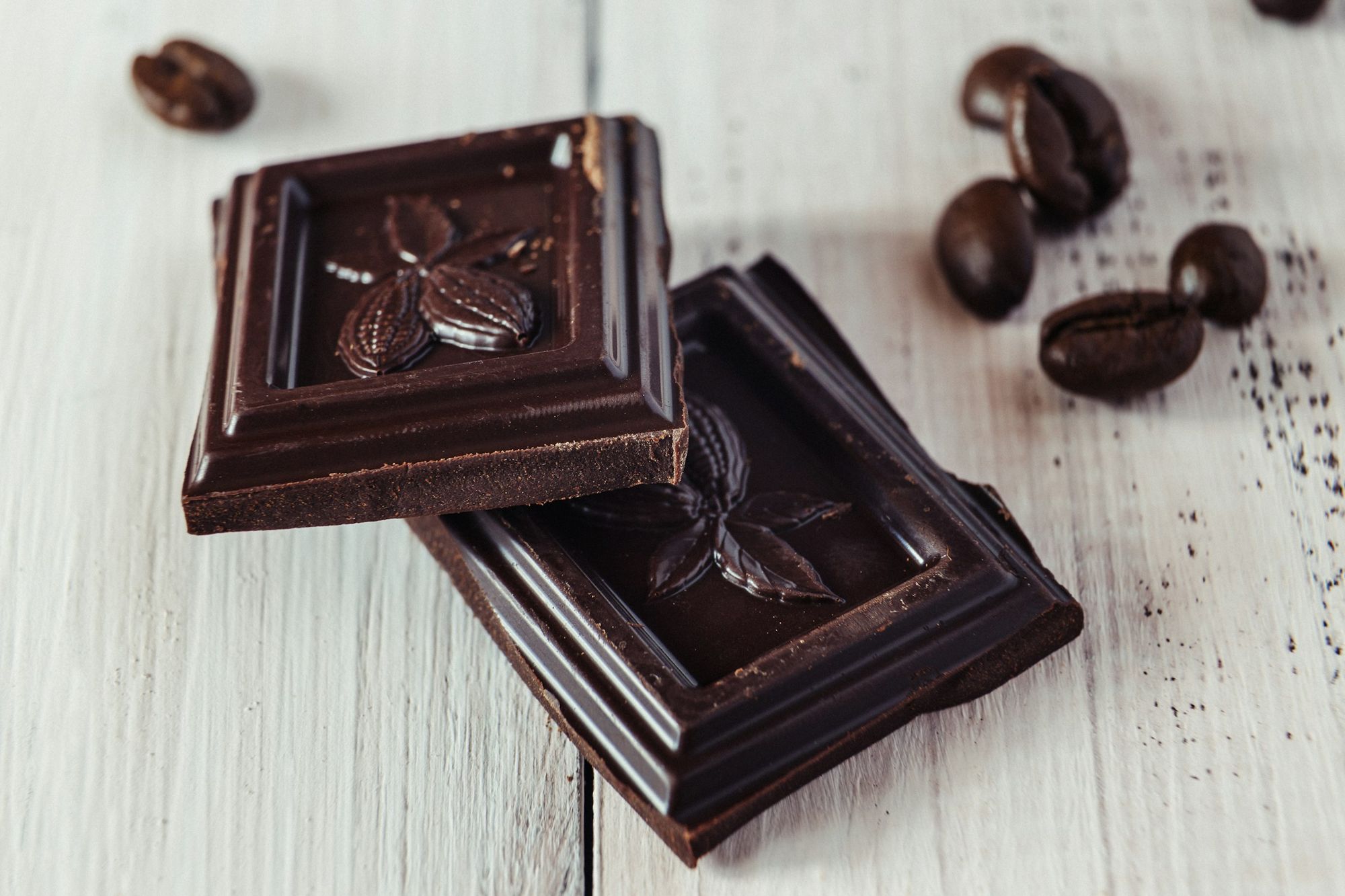
A well-tempered bar has an even sheen and no white streaks. Gray or dusty patches, called bloom, usually mean the bar got warm or damp. Bloom is harmless to eat but often dulls the texture.
Listen
Break off a square. A dark bar should snap cleanly and audibly. A soft bend suggests more milk or less careful tempering.
Smell
Rub the square gently with your thumb to warm it and breathe in. You might notice fruit, flowers, nuts, roast or earth before you ever taste it.
Let it melt. Chewing rushes past the best part.
Taste
Place the square on your tongue and let it melt rather than chewing. Notice how the flavor changes from the first moment to the last. Many single-origin bars open one way, perhaps bright and fruity, and finish another, perhaps nutty or roasted.
- Texture: smooth, waxy, gritty, quick or slow to melt.
- Sweetness and bitterness: is one dominant, or are they in balance?
- Acidity: a bright, mouthwatering quality, common in many fine cacaos.
- Finish: how long the flavor stays, and what it leaves behind.
Write it down
A few words per bar is enough. Over time, you will start to notice that cacao from a particular origin tends to taste a particular way, and you will know which bars to look for.
Tastings are planned as a regular part of every Chocojava flagship’s calendar when our cafes open in 2027.
Next
The Journal