Journal · Origins
Coffee and chocolate grow in the same part of the world
Two tropical seeds, one band of the globe and a surprisingly similar craft. The idea behind Chocojava.
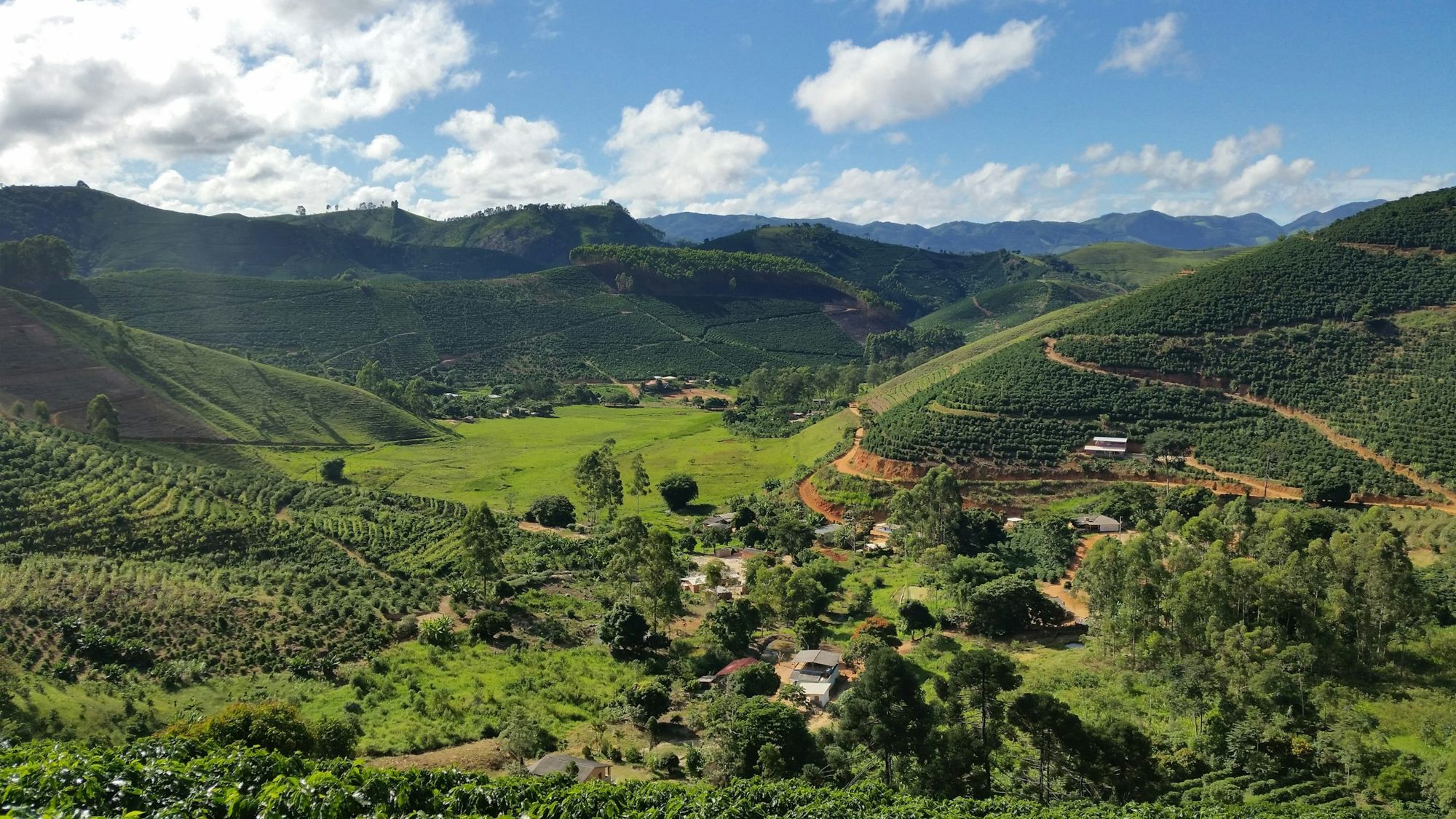
Draw two lines around the globe, one along the Tropic of Cancer and one along the Tropic of Capricorn. Nearly all of the world’s coffee and cacao grows between them. That shared geography is where Chocojava begins.
Two fruits, two seeds
Coffee and cacao are both seeds of tropical fruits. A coffee cherry holds two beans; a cacao pod holds dozens of seeds in sweet pulp. In both cases, the seed we use has to be separated from its fruit, processed and dried at origin, and roasted before it becomes something we recognize.
Different heights of the same band
Within that band, the two crops tend to prefer different ground. Cacao is a lowland, understory tree that likes heat, humidity and shade, and grows mostly within about twenty degrees of the equator. Fine arabica coffee generally prefers altitude, where cooler nights slow the cherry’s ripening and concentrate its flavor. A single country can grow excellent examples of both, in its valleys and on its mountainsides.
Fermentation, drying and roasting: the same craft, applied to two different seeds.
The same craft
The parallels continue after harvest. Cacao is fermented to develop its flavor, and many coffees go through fermentation during processing too. Both are dried with care. Both are roasted, and both reward a roaster who adjusts for each origin rather than treating every lot the same.
That is why we think coffee and chocolate belong under one roof, made and served by people who understand both.
Where we plan to source
Chocojava is planning direct-trade relationships in seven origin countries: cacao from Ecuador, Peru, Madagascar and São Tomé, and green coffee from Ethiopia, Colombia and Rwanda, with other origins rotating through the menu. Each product will be traced to its farm or cooperative.
Our first cafes open in 2027. When they do, you will be able to taste a coffee and a chocolate from the same part of the world side by side, and judge the connection for yourself.
Next
The Journal